Elizabeth Holmes was born in 1984 in Washington, D.C., and was determined to make a name for herself from an early age. In 2002, she went to Stanford University to study chemical engineering, but dropped out at just 19 years old to start a blood-testing startup named Theranos.
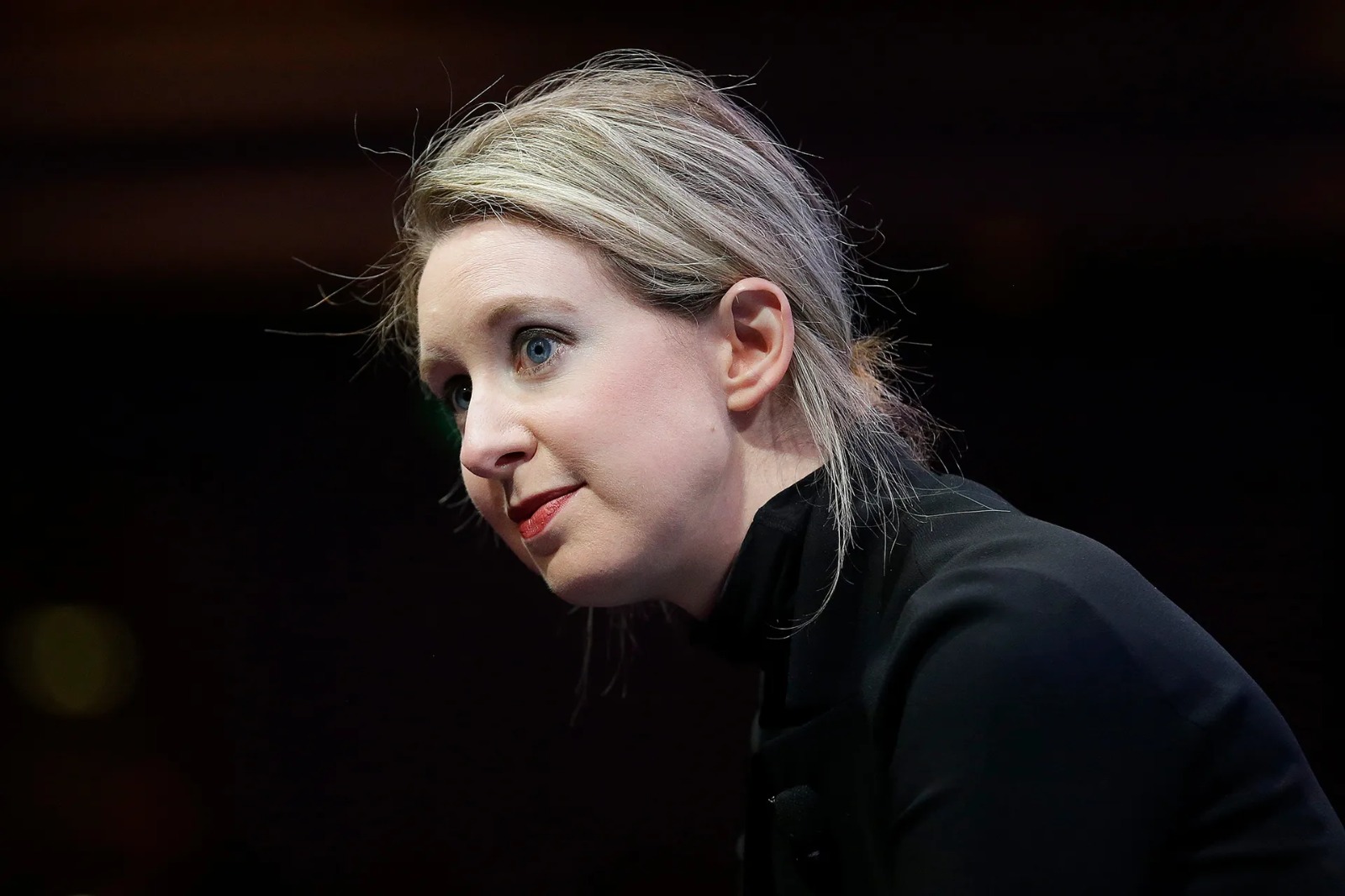
Holmes promised to change healthcare forever. She claimed she had built a small machine called the “Edison” that could run hundreds of medical tests using only a few drops of blood from a quick finger prick. Dressed in black turtlenecks like Apple’s Steve Jobs, she charmed famous politicians, retired military generals, and wealthy business leaders. She raised over $700 million from rich investors, turning Theranos into a $9 billion company and striking big deals with major pharmacy chains like Walgreens.
In truth, her machine did not work. It gave completely unreliable results, so Holmes and her team covered up the truth. When investors came for demonstrations, they faked the tests or secretly watered down the blood samples so they could run them on regular machines bought from other companies. Holmes even stamped the logos of well-known drug companies onto her own reports to trick people into thinking her technology was verified. Worst of all, real patients received wrong health reports, leading to terrifying false diagnoses for conditions like cancer, diabetes, and pregnancy complications.
Her downfall taught the scientific world an important lesson: you cannot treat medicine like Silicon Valley software. In health science, “faking it until you make it” puts lives in danger. Real medical tools require honest experiments, published data, and independent testing by outside doctors before they can ever be trusted.
The scam finally unraveled in 2015 when an investigative journalist exposed the truth, and Theranos soon collapsed. In 2022, Holmes was convicted of fraud, and she entered a federal prison camp in Texas in May 2023. In 2026, a judge trimmed her sentence down to about 10 years. With credits for good behavior, she is scheduled to move to a halfway house in 2027 before finishing her sentence in early 2030.